
OpenBoxes is an open-source supply chain management system built by and for people working in resource-scarce settings.
Our Story
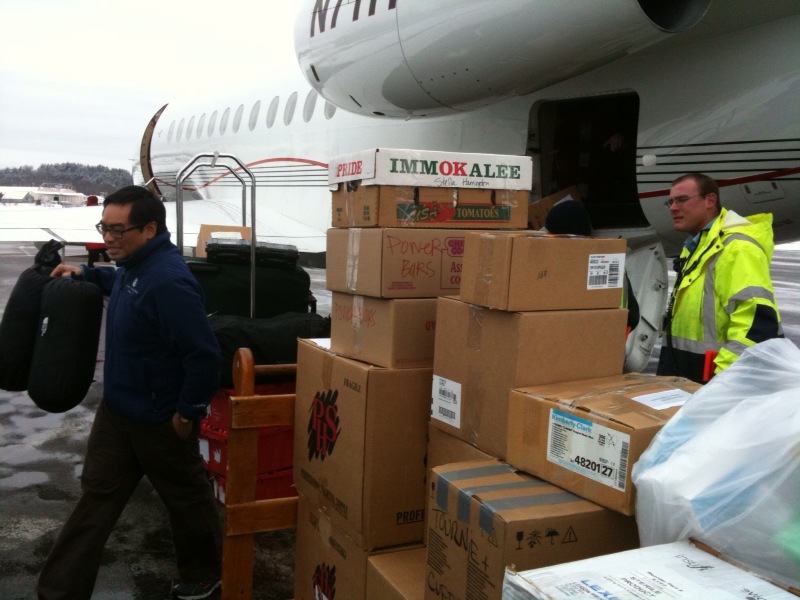
After the 2010 earthquake in Haiti, Partners In Health needed a better way to track medical supplies across their network of health facilities. Off-the-shelf solutions were too expensive, too complex, or required infrastructure that simply didn't exist on the ground. So we built our own.
What started as a basic inventory tracker for one warehouse in Haiti grew into a full supply chain management system used by health organizations across multiple countries. The software evolved because the problems kept evolving — from tracking stock levels to managing shipments, purchase orders, lot-level expiry tracking, and reporting.
 PIH team working at the Boston office
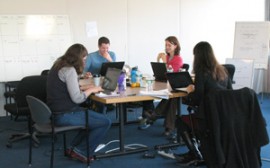 Planning session with the supply chain team
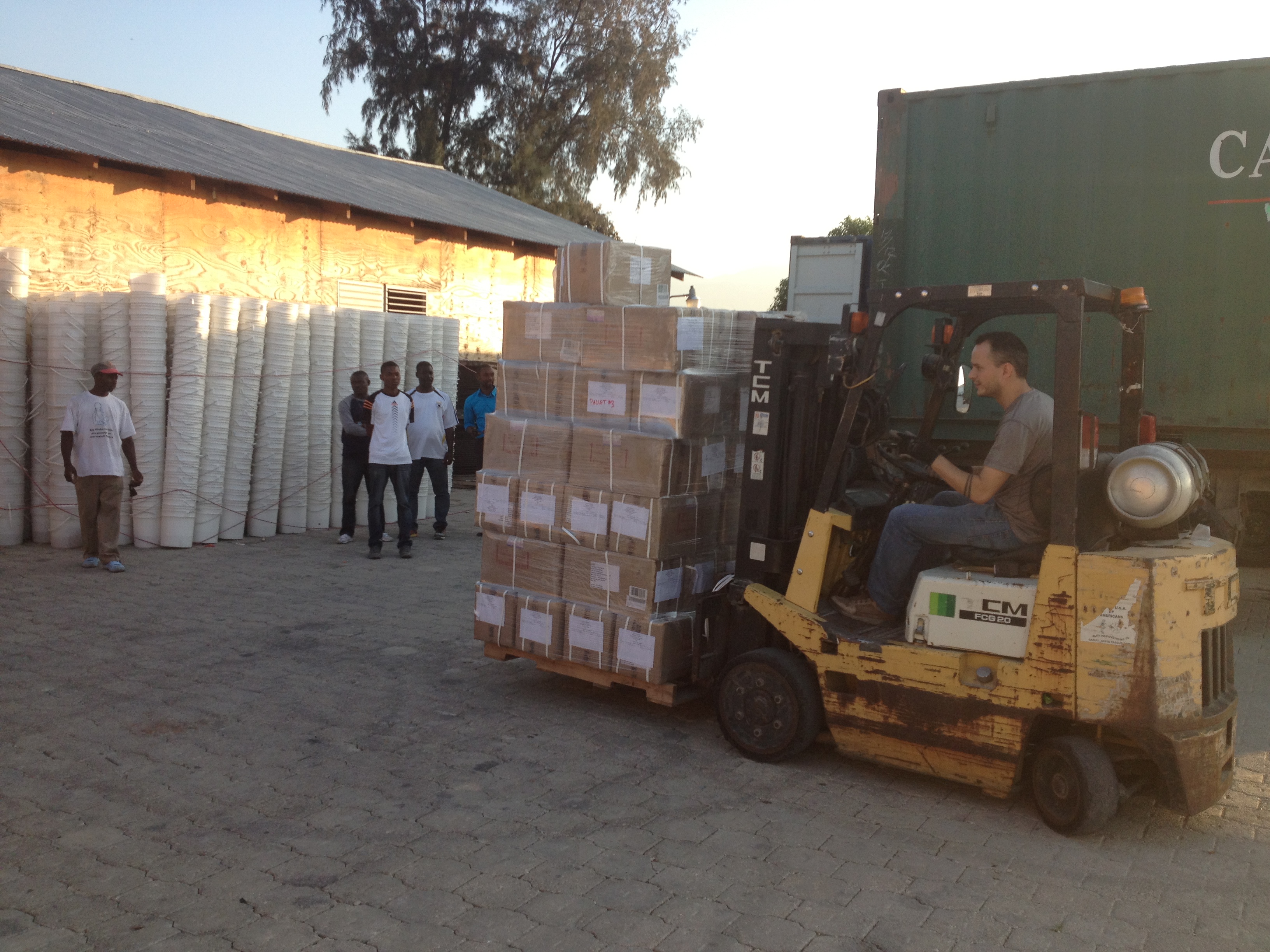 Unloading medical supplies at a PIH warehouse in Haiti
Our Mission
We build software that helps organizations manage their supply chains — especially in places where that's hard to do. Whether it's a hospital pharmacy in rural Haiti or a warehouse in West Africa, the goal is the same: make sure the right products are in the right place at the right time.
Open Source
OpenBoxes is free to use and modify under the Eclipse Public License. The source code is on GitHub. That means any organization can download it, configure it to fit their workflows, and run it on their own infrastructure without licensing fees.
The software was designed for low-resource settings where existing infrastructure for electronic inventory management is limited. With minimal hardware requirements, flexible deployment options, and an intuitive interface, OpenBoxes provides practical results for organizations working in challenging environments.
While OpenBoxes was originally built for healthcare supply chains, it has been adapted for warehouse management, distribution, and other supply chain contexts.
Milestones
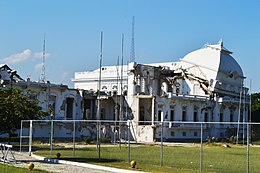
Born out of necessity
Built at Partners In Health to manage medical supplies after the Haiti earthquake.
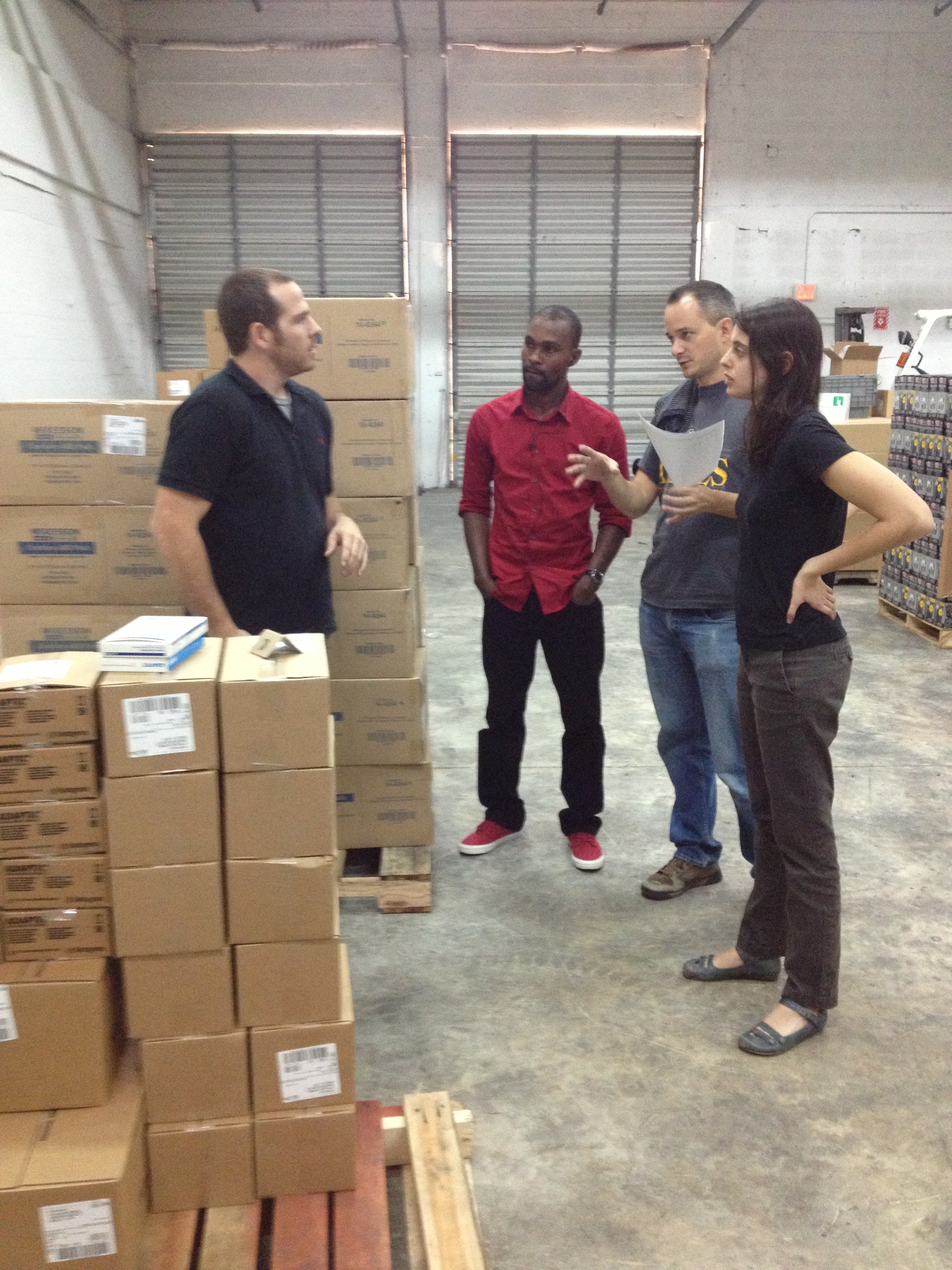
Shipping supplies from Miami to Haiti
Used OpenBoxes to coordinate shipments of medical supplies from Miami to PIH facilities in Haiti.

First multi-site deployment
Rolled out across PIH facilities in Haiti — Cange, Hinche, Lacolline, and St. Marc.
Goes open source
Source code published on GitHub under the Eclipse Public License.
Inventory snapshots & reporting
Added periodic inventory snapshots and transaction-level reporting.
Expiry & lot tracking
Lot-level tracking and expiry date management for pharmaceuticals.
Stocklists & requisition templates
Standardized ordering with stocklists for health facilities.
SolDevelo joins the team
Polish development partner SolDevelo begins contributing full-time.
Deployed in Liberia & Sierra Leone
PIH expands OpenBoxes to West Africa.
Stock movements overhaul
Major rework of the stock transfer workflow with React-based UI.
Inbound & outbound shipping
Redesigned shipping and receiving workflows for complex supply chains.
Invoice management
Added invoice tracking and integration with financial systems.
Product catalogs & categories
Hierarchical product categorization and catalog management.
Beyond healthcare
Adopted by private sector organizations for warehouse and distribution management.
Community growth
2K Software and other partners begin offering implementation services.
v0.9.x series
Continued modernization — React frontend, improved reporting, and API enhancements.
Our Community
OpenBoxes is supported by a community of developers and supply chain specialists. Partners In Health continues as the primary user and sponsor. SolDevelo has been a dedicated development partner since 2017. 2K Software and other partners provide implementation and support services. Together with independent contributors, this community keeps the software moving forward.
Community members are available to provide the following services:
- Implementation Support
- User Training
- Documentation & SOPs
- Data Migration
- Configuration
- Customization
- Upgrades
- Hosting & Infrastructure
- Technical Support
- Supply Chain Consulting
The Origin Story
OpenBoxes was created in response to the 2010 Haiti earthquake. To learn more, read the following article published by Partners In Health a few weeks after the Haiti Earthquake.